

perFIT
A two-sided fitness app for managing memberships, booking classes, and supporting personalized training.
Contract product design and front-end work to modernize the platform and introduce AI-powered fitness features. For privacy reasons, I am limited to sharing an overview of 10 selected screens rather than the full case study.
Problem
perFIT's core services were spread across complex and inconsistent flows, making it difficult for members to discover classes, manage bookings, and understand their progress.
Outcome
I redesigned and built 150+ screens across 15 member and coach flows in five weeks. I restructured the information architecture, created a reusable component system, and improved experiences across booking, memberships, AI-generated workouts, and body-scan insights.
My role
Product Design Engineer
Timeline
May 2026 - June 2026
Team
Sarah Mou
Tools
- Figma
- Midjourney
- Cursor
- Claude
Problem
perFIT's product had expanded over time, but the experience had not evolved with it. The visual design felt outdated, navigation was inconsistent, and core actions like booking classes, managing memberships, and reviewing fitness data were spread across fragmented flows. New AI features also needed to be introduced without making the platform feel more complex.
PREVIOUS DESIGN:
Final product
Redesigned home page
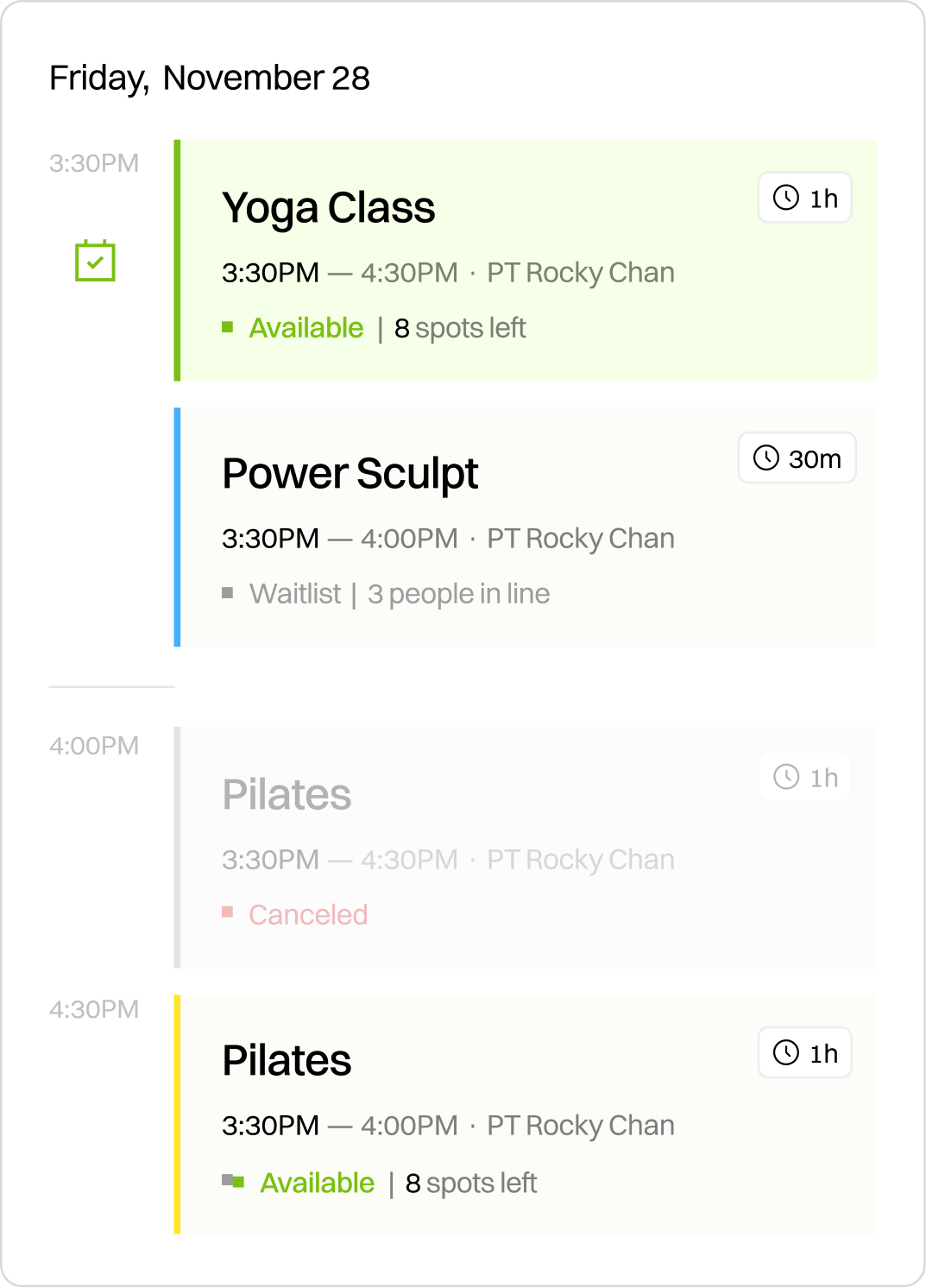
A streamlined booking experience where members can browse upcoming classes, check availability, and manage their reservations in one place.
Dashboard / Activity
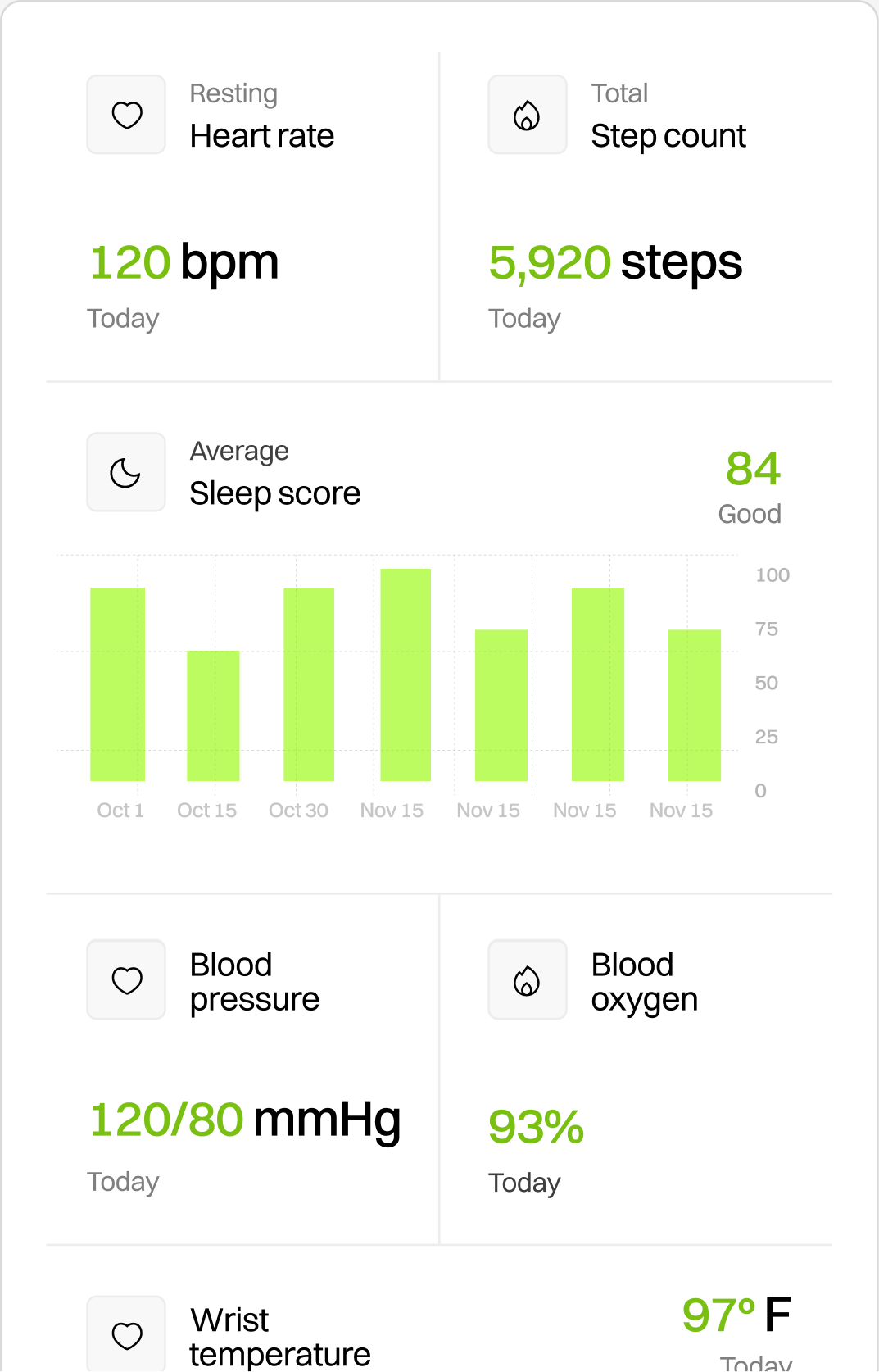
I created a new activity hub where AI-powered workout recommendations lived alongside attendance, wearable insights, and fitness goals.
Booking flow
I refreshed the booking flow to make class details, availability, credit costs, and confirmation clearer at every step.
Profile
I separated Profile from Settings so the profile could focus on gym participation, credits, stats, and membership activity rather than account management.
Impact
The redesigned experience is currently being implemented across perFIT's mobile platform, bringing a more modern interface, clearer core flows, and new AI-powered fitness features into production.
Reflection
This project taught me how to modernize an existing product while respecting the systems and behaviors already supporting it. Designing across member and coach experiences pushed me to think beyond individual screens and create patterns that could scale across bookings, memberships, fitness data, and AI-powered features.
It also reminded me that design can act as a universal language. Despite communicating through my imperfect Chinese and the team's imperfect English, prototypes and visual decisions helped us bridge the gap, align quickly, and build trust. It was a genuinely fun side project that strengthened my confidence working across languages, cultures, and real implementation constraints.